Warehouse automation decisions in both commercial industries and the government sector are no longer isolated, facility-level initiatives. Whether supporting high-volume retail distribution, regulated life sciences operations, or mission-critical federal logistics programs, automation must align with a company’s broader supply chain strategy, operating model, and long-term objectives.
Yet too often, organizations pursue warehouse automation as a technology upgrade rather than a system-level capability. The result? Solutions that add complexity without delivering sustainable performance gains. Effective automation starts with understanding where a warehouse fits within the overall supply chain hierarchy—and what role it is expected to play today and in the future.
Starting with a Ground-Level Operational Assessment
A warehouse automation engagement should begin with a comprehensive assessment of current operations. This includes interviews with personnel across the organization—from leadership to supervisors to frontline associates—to identify what is working, what is not, and where friction exists. These conversations also help determine an organization’s tolerance for change, which is often just as critical as technical readiness.
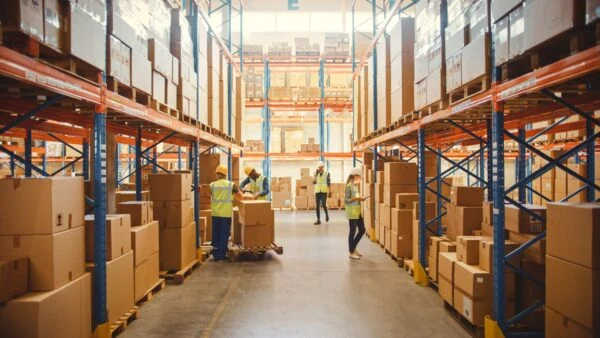
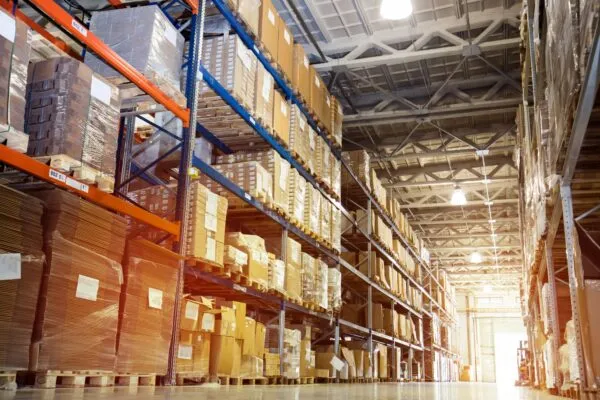
In parallel, consultants observe the physical environment. Cleanliness, organization, available workspace, and material flow all provide insight into how effectively the facility is operating. Congested or disorganized warehouses are rarely short on inventory. Instead, they are short on discipline. Expired products, excess dunnage, obsolete materials, and misplaced items often accumulate over time, obscuring true capacity and masking root causes of inefficiency.
Data: The Foundation Most Operations Struggle With
Warehouse automation decisions are only as good as the data behind them. A critical part of any assessment is gathering and validating available operational data—inventory dimensions, order profiles, throughput rates, inbound and outbound volumes, labor costs, and performance metrics.
For many organizations, data itself is the first obstacle. Incomplete data, inconsistent definitions, or lack of governance can make it difficult to model future-state scenarios with confidence. Addressing data quality, accessibility, and accuracy is often a necessary prerequisite to meaningful automation planning.
Understanding Product Mix and Handling Requirements
Not all inventory behaves the same, and not all products can be handled the same way. A thorough review of inventory characteristics is essential to selecting the right automation approach. Product size, weight, velocity, fragility, and storage requirements all influence system design.
Certain industries—particularly food, beverage, pharmaceutical, and other regulated products—introduce additional considerations. These may include environmental controls, sanitation requirements, traceability, and security protocols. Automation that ignores these nuances can introduce compliance risk rather than operational improvement.
Identifying Bottlenecks Before Automating Them
By combining direct observation with data-driven analysis, warehouse automation consultants can identify true operational bottlenecks—many of which are not obvious on the surface. Operations that lack historical forecasting or fail to coordinate across departments such as purchasing, finance, and sales often experience avoidable volatility and reactive decision-making.
Stakeholder input across these functions is critical to defining realistic automation goals. Just as important, existing processes must be evaluated before automation is introduced. Automating a poorly designed process only increases its inefficiency at scale. In many cases, targeted process refinement delivers immediate gains and improves the ROI of future automation investments.
Building a Warehouse Automation Roadmap That Fits the Business
Budget realities matter. While fully automated, lights-out facilities capture attention, they are not practical—or necessary—for every operation. Most organizations benefit from a phased approach: implementing targeted automation where it delivers the most value today, while preserving flexibility to add capabilities as volumes, labor dynamics, and business requirements evolve.
Based on operational realities, data insights, and business constraints, an experienced consultant develops recommendations for the most appropriate automation strategy—one that balances performance improvement, capital investment, and long-term scalability.
Warehouse Automation with Purpose, Guided by Strategy
Successful warehouse automation is not about deploying technology for its own sake. It is about applying the right level of automation, in the right places, at the right time—fully aligned with operational priorities and integrated into the broader supply chain. When grounded in a disciplined assessment process and supported by accurate data, automation becomes a strategic enabler rather than a tactical experiment.
For organizations navigating these decisions across both commercial industries and the government sector, independent warehouse automation consulting provides the structure, objectivity, and experience needed to move forward with confidence. A knowledgeable partner helps ensure automation investments are practical, scalable, and designed to deliver measurable operational value—both today and as requirements evolve.
Waller Consulting, a DCS company, partners with organizations across commercial industries and the government sector to develop data-driven warehouse automation strategies that respect real-world constraints while positioning operations for long-term success.
Connect with Waller Consulting today to learn how we can help you align your automation initiatives with network design, systems integration, and execution realities. Let us help you build resilient, efficient supply chain operations capable of supporting growth, adaptability, and sustained performance.
About Waller Consulting, a DCS company
Founded in 2009, Waller Consulting, a DCS company, is a General Services Administration (GSA)-registered business that partners with both government and commercial clients to streamline distribution operations, reduce costs, increase profitability, and elevate customer satisfaction. The firm brings deep expertise in Federal Acquisition Regulation (FAR) and Defense Federal Acquisition Regulation Supplement (DFARS) compliance, Defense Business Systems, and the requirements of the Defense Contract Management Agency (DCMA) and Defense Contract Audit Agency (DCAA), helping government contractors meet complex regulatory and operational demands.
Waller Consulting’s team of warehouse and supply chain consultants combines decades of hands-on industry experience with advanced data analytics, automation, and network optimization capabilities. Each consultant brings more than 30 years of practical experience and personally leads client engagements, ensuring solutions are grounded in real-world operations—not theory. In addition to warehouse automation consulting, Waller Consulting provides operational assessments, logistics network design evaluations, and supply chain risk mitigation reviews across a wide range of commercial industries.
Driven by a genuine commitment to responsiveness, accountability, and problem-solving, Waller Consulting serves as a trusted supply chain partner—helping organizations modernize their operations, remain compliant, and build resilient, efficient distribution networks that support long-term growth and mission success.
For more information, visit wallerassoc.com.