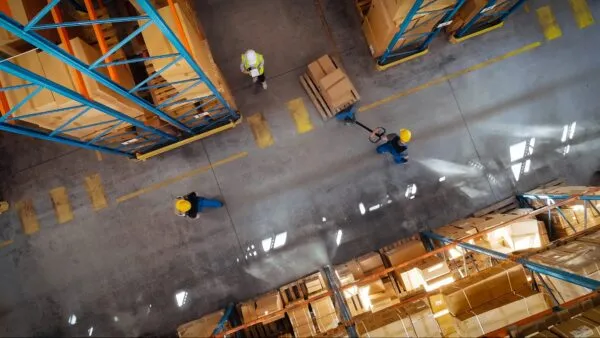
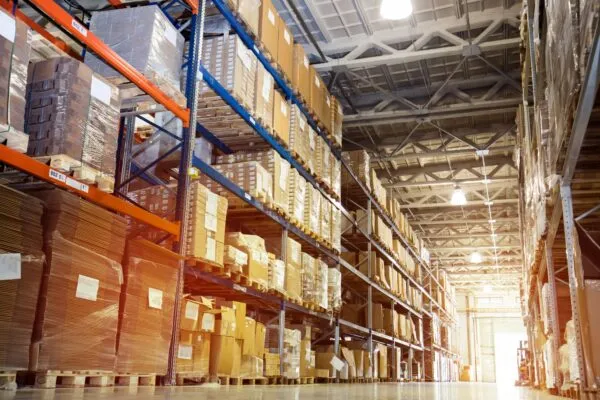
Our Distribution Center Assessment service will identify opportunities related to productivity, distribution center layout, processes, product slotting, inventory management, labor management and IT systems.
Our experienced consultants and industrial engineers combine practical experience with innovative material handling technologies to develop solutions for layout, process and staffing that you can trust.
At Waller Consulting, we assist organizations in benchmarking productivity and costs, evaluating 3PL providers, improving productivity and safety, inventory management, and assisting with training and development. Let us help you achieve your goals!
Selecting a WMS, LMS, TMS, or Voice vendor is an important decision for any distribution operation. This software is a major cog in most supply chains. Waller Consulting warehouse technology consultants will assist you in evaluating software vendors based on a proven, objective methodology.
Our Logistics Network Design services utilize state-of-the-art modeling software combined with our experienced consultants that can model the most complex global logistics networks.
The professionals of Waller Consulting help identify supply chain risk and develop mitigation strategies. Our risk services improve operational performance and effectiveness while reducing risks associated with globalization, outsourcing, and collaborative relationships with business partners.
In some instances, customers may initiate their engagement with Waller Consulting, subsequently collaborating with DCS for integration services. Regardless of where the conversation begins, you can be confident that our teams are working seamlessly together to deliver the highest level of service and expertise in the industry.
Retail Distribution Network Optimization: A Strategic Approach to Performance
By submitting, you consent to Waller Consulting processing your information in accordance with our Privacy Policy. We take your privacy seriously; opt out of email updates at any time.
This site is protected by reCAPTCHA and the Google Privacy Policy and Terms of Service apply.
Retail Distribution Network Optimization: A Strategic Approach to Performance
Date Posted:03.19.25
Retail distribution has evolved into a highly complex, multi-channel ecosystem—one that increasingly requires specialized warehouse consulting services to design and manage effectively. Orders now flow through stores, e-commerce platforms, mobile channels, and wholesale networks—often simultaneously. Some facilities replenish stores, others fulfill direct-to-consumer orders, and many are expected to support both. As a result, inventory moves through multiple nodes and processes before reaching its final destination.
What Is Distribution Network Optimization?
Distribution network optimization is the process of aligning that network—facility locations, inventory positioning, transportation strategies, and fulfillment methods—to improve performance. The goal is not simply efficiency in isolation, but a balanced operation that minimizes cost while meeting service expectations.
For many organizations, this process is supported by warehouse consulting services and material handling consulting services that bring an objective, design-led perspective to evaluating the network as a whole.
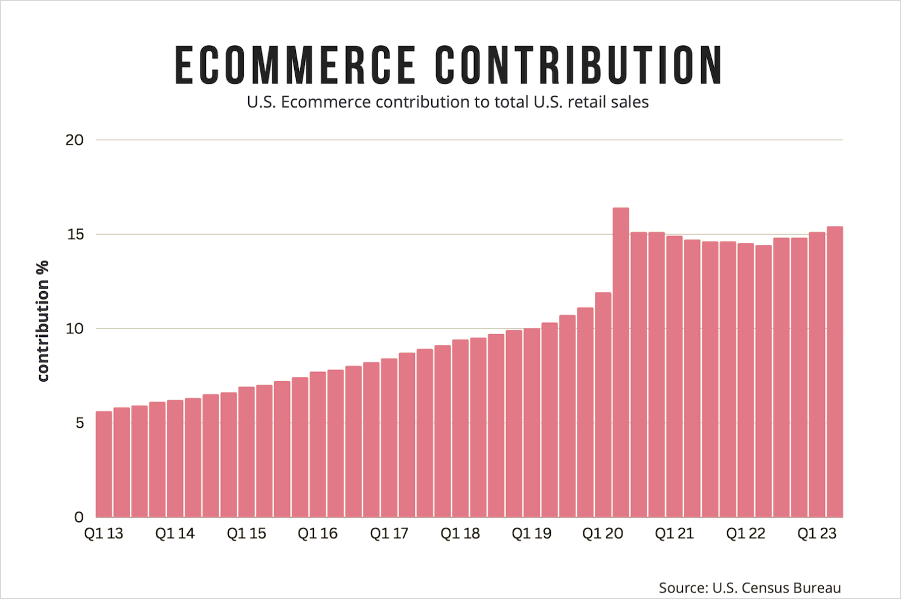
Over the past two decades, the need for this type of analysis has accelerated. The rise of e-commerce, increased customer expectations, and ongoing market volatility have fundamentally changed how retail supply chains operate.
The Current State of Retail Distribution Networks
Today’s retail environment is defined by transparency and immediacy. Customers have near-instant access to pricing, availability, and delivery options across competitors. In many cases, purchasing decisions come down to two factors: product availability and speed of delivery. This puts pressure on retailers to operate distribution networks that can respond quickly—without driving unsustainable costs.
A strategically designed network, often developed through warehouse consulting services, allows organizations to position inventory closer to demand, reduce transportation distance, and improve fulfillment speed. At the same time, it creates a framework for controlling operating costs across transportation, labor, and facilities. Without that alignment, even well-equipped operations can struggle to keep pace.
Key Challenges in Retail Distribution
1. Increased Online Shopping and Fulfillment Complexity
The rapid growth of e-commerce has reshaped fulfillment requirements. Facilities originally designed for pallet and case movement are now expected to handle high volumes of each-picking and parcel shipping.
This shift introduces new challenges:
Increased labor requirements
More complex order profiles
Greater pressure on fulfillment speed
Operations that adapted quickly often did so by layering new processes onto existing infrastructure. Over time, this can create inefficiencies that limit throughput and increase costs—areas where warehouse automation consultants and material handling consulting services can help re-evaluate workflows and system design.
2. Distance to the End Customer
Facility location plays a critical role in both cost and service. When distribution centers are positioned too far from customers or stores, transportation distances increase. This leads to:
Higher shipping costs
Longer delivery times
Greater reliance on expedited freight
Network optimization, supported by warehouse consulting services, evaluates how facility placement impacts both service levels and total landed cost. In many cases, adjusting the number or location of nodes within the network can significantly improve performance.
3. Inventory Allocation Challenges
Inventory that is not aligned with regional demand creates both cost and service issues. Excess inventory in low-demand areas leads to:
Increased holding costs
Underutilized space
Reduced inventory turns
At the same time, stockouts in high-demand regions impact customer satisfaction.
Misaligned inventory often results in additional transfers between facilities or stores—frequently using less-than-truckload (LTL) shipping, which carries a higher cost. A well-optimized network addresses these challenges by positioning inventory based on demand patterns, supported by data-driven analysis and material handling consulting services.
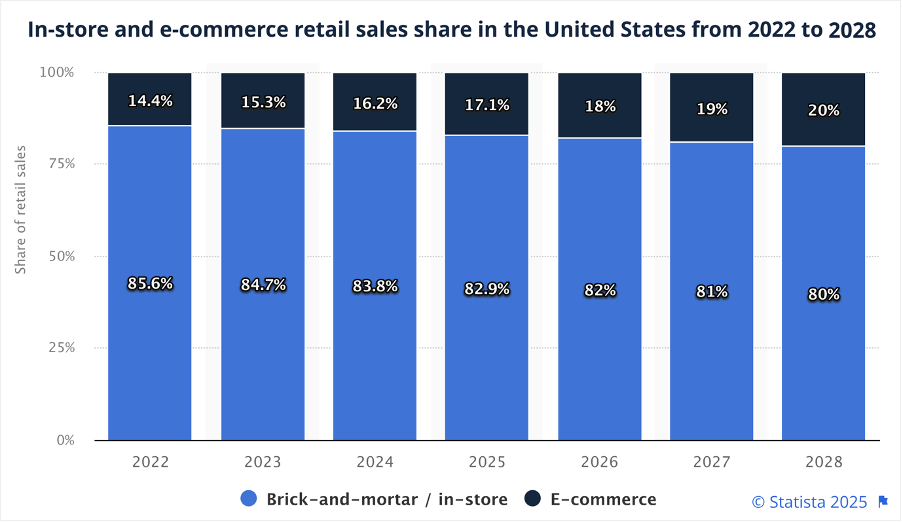
4. Continued Growth of E-Commerce
E-commerce adoption continues to expand across product categories, including those traditionally dominated by in-store purchasing. This sustained growth reinforces the need for distribution networks that can:
Support high order volumes
Handle diverse product mixes
Scale with demand fluctuations
Retailers that fail to adapt their networks risk falling behind competitors that have already aligned their operations to meet these expectations.
Why Distribution Network Optimization Matters
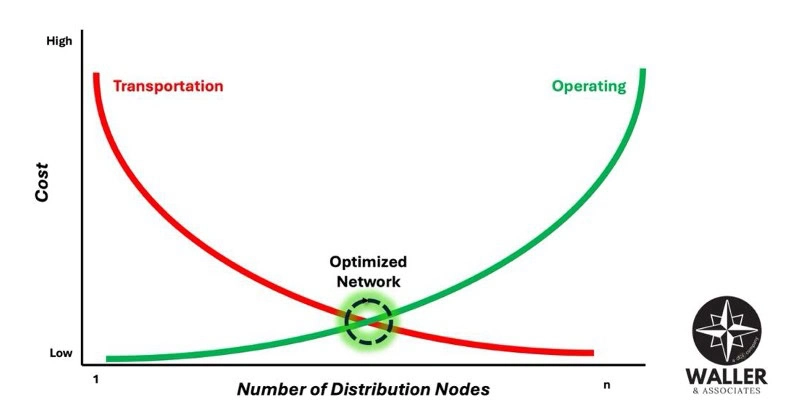
At its core, distribution network optimization is about balance. Adding more facilities can reduce transportation distances and improve service levels—but also increases operating costs. Fewer facilities may lower fixed costs but drive up transportation expenses and delivery times.
The objective is to identify the optimal network structure where cost and service intersect. However, this type of analysis is rarely straightforward. It requires a comprehensive understanding of order profiles, demand variability, transportation costs, and operational constraints—areas where warehouse consulting services and warehouse automation consultants provide measurable value.
Operational Benefits of an Optimized Network
A well-executed distribution network optimization initiative delivers improvements across multiple areas of the operation.
Cost Reduction
Optimized transportation routes, facility placement, and inventory strategies reduce overall operating expenses. This includes lower freight costs, more efficient use of warehouse space, and reduced waste across processes.
Improved Customer Experience
Faster and more reliable delivery improves customer satisfaction. A well-aligned network ensures products are available where and when they are needed, regardless of channel.
Stronger Delivery Performance
Optimized networks reduce variability in transit times and improve on-time delivery rates. Better coordination between nodes allows for more consistent execution.
Balanced Inventory Levels
Strategic inventory placement minimizes excess stock while reducing the risk of stockouts. This improves inventory turns and overall capital efficiency.
Scalability and Flexibility
An optimized network provides the foundation for growth. It allows organizations to adapt to changing demand patterns, expand into new markets, and support additional channels without significant disruption.
These outcomes are typically achieved through a combination of analytical modeling, operational design, and system alignment—areas where material handling consulting services and warehouse automation consultants play a critical role.
Engaging a Partner for warehouse consulting services
Undertaking a distribution network optimization initiative internally can be challenging. The process requires cross-functional alignment, access to accurate data, and the ability to model complex scenarios.
Engaging an independent partner that provides warehouse consulting services offers several advantages:
Objective evaluation of the current network
Access to specialized analytical tools and methodologies
Experience across similar operations and industries
Alignment between network strategy and facility-level execution
Waller Consulting approaches distribution network optimization from a design-first perspective—integrating network strategy with facility layout, process design, and automation considerations. This ensures that recommendations are not only theoretically sound, but also practical to implement within the broader operation.
Through the application of warehouse consulting services, supported by material handling consulting services and experienced warehouse automation consultants, organizations can develop retail distribution strategies that balance cost, service, and scalability. The result is a network that is not only efficient, but also adaptable—capable of supporting long-term growth in a rapidly changing environment.
To learn how Waller Consulting supports distribution network optimization initiatives, connect with the team to begin a structured evaluation of the existing network and future requirements.
About Waller Consulting, a DCS company
Founded in 2009, Waller Consulting, a DCS company, is a General Services Administration (GSA)-registered business that partners with both government and commercial clients to streamline distribution operations, reduce costs, increase profitability, and elevate customer satisfaction. The firm brings deep expertise in Federal Acquisition Regulation (FAR) and Defense Federal Acquisition Regulation Supplement (DFARS) compliance, Defense Business Systems, and the requirements of the Defense Contract Management Agency (DCMA) and Defense Contract Audit Agency (DCAA), helping government contractors meet complex regulatory and operational demands.
Waller Consulting’s team of warehouse and supply chain consultants combines decades of hands-on industry experience with advanced data analytics, automation, and network optimization capabilities. Each consultant brings more than 30 years of practical experience and personally leads client engagements, ensuring solutions are grounded in real-world operations—not theory. In addition to warehouse automation consulting, Waller Consulting provides operational assessments, logistics network design evaluations, and supply chain risk mitigation reviews across a wide range of commercial industries.
Driven by a genuine commitment to responsiveness, accountability, and problem-solving, Waller Consulting serves as a trusted supply chain partner—helping organizations modernize their operations, remain compliant, and build resilient, efficient distribution networks that support long-term growth and mission success.